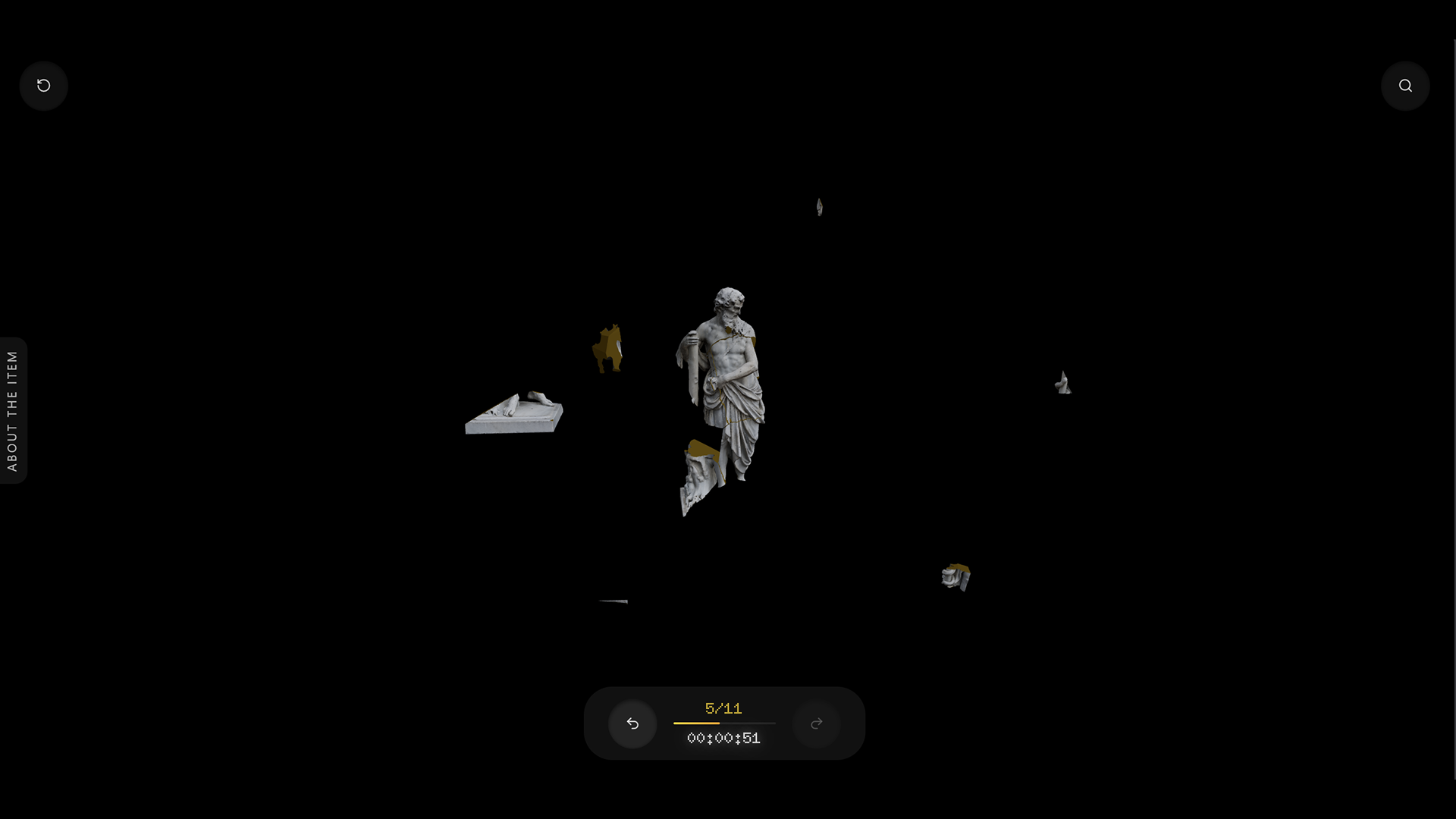
Seamm · 2023
Stories Editor
How I eliminated a 2-day content publishing bottleneck.
Designed a no-code story editor that gave marketing full autonomy over Instagram-like content creation, reducing creation time from 24-48 hours to 5 minutes.
Product Designer — UX, UI, design system
Seamm product team
- PM
- Design Lead
- 2 Engineers
- Product designer (Me 👋)
- 24-48h → 5 min creation time
- 10× campaign velocity

Why we started
Seamm’s marketing team needed to create Stories — Instagram-like vertical content — to showcase products and drive engagement. Every single story required a Slack message to engineering, manual asset preparation, and developer intervention to code and publish.
Marketing couldn’t see how a story would look on a user’s device before publishing. Nothing prevented wrong colors, wrong fonts, or text overflow. And every change — even a typo fix — required an engineer.
How to kill ‘blind publishing’?
The core problem was what I call ‘blind publishing’ — marketing had zero visual feedback before content went live. They were mentally simulating what the story would look like, then hoping for the best.
The solution was a real-time mobile preview. As the user types, the left panel shows exactly how the story will appear on a user’s device. Not an approximation — the actual app dimensions and typography.

How to prevent brand-breaking mistakes?
Before the editor, there were multiple incidents of wrong colors, broken links, and text overflow going live. To prevent this, CTA buttons use a color picker locked to the brand palette — only approved colors are selectable. Character counters prevent overflow. Link destinations are validated.

Why templates, not a free-form canvas?
This was the most important design decision. I considered a Canva-style free-form editor. But templates guarantee mobile optimization, prevent overlapping or off-screen content, and let users focus on content instead of layout.
Marketing needed speed and consistency, not design experimentation. The template system became the most-valued feature — marketing wanted confidence over flexibility.

Results
100% marketing autonomy
Zero Slack messages to engineering for story updates. The self-service system handled everything from creation to publishing.
10× campaign velocity
Story creation dropped from 24-48 hours to 5 minutes. Marketing launched 3-5 stories per week, up from 1-2 per month.
~20 hours/week freed
Engineering time redirected from repetitive story tasks to core product features.
What I learned
10× velocity comes from removing people, not adding tools.
The bottleneck wasn't slow software. It was a Slack message to an engineer who had other priorities. The editor didn't speed up the process — it removed a step entirely.
Preview kills anxiety.
Every tool that shows 'what you'll get' before you commit reduces fear of mistakes.
Constraints are a feature, not a limitation.
Brand-locked colors and template boundaries initially felt restrictive. Turns out, removing decisions that don't matter lets people focus on decisions that do.
More case studies
ReMargin
I wanted a reader where annotations matter as much as the text. Built one.
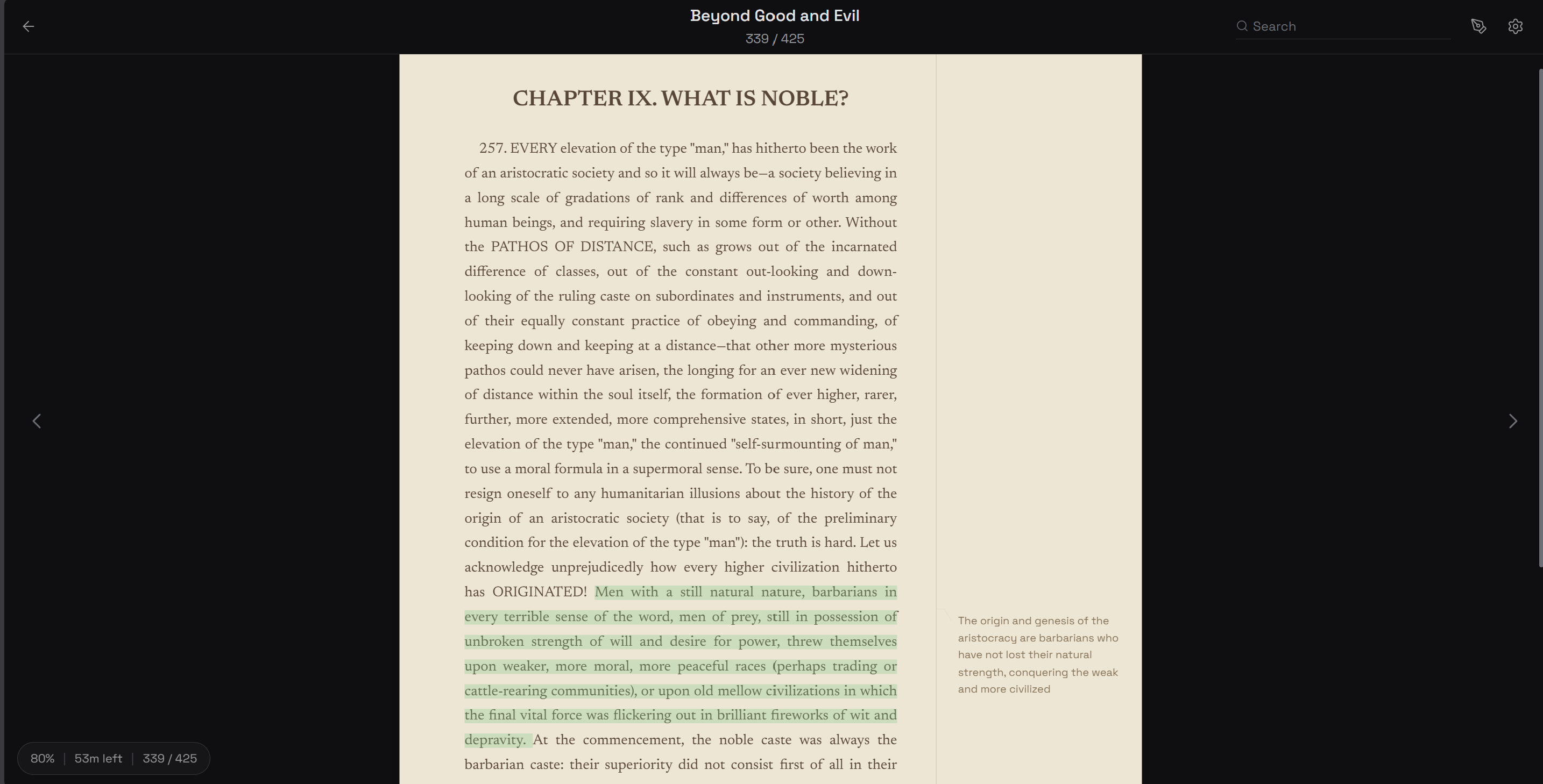
Push Notifications
How to kill the send button nobody wanted to press
Educational Platform Redesign
Users couldn’t explain what a single menu item meant
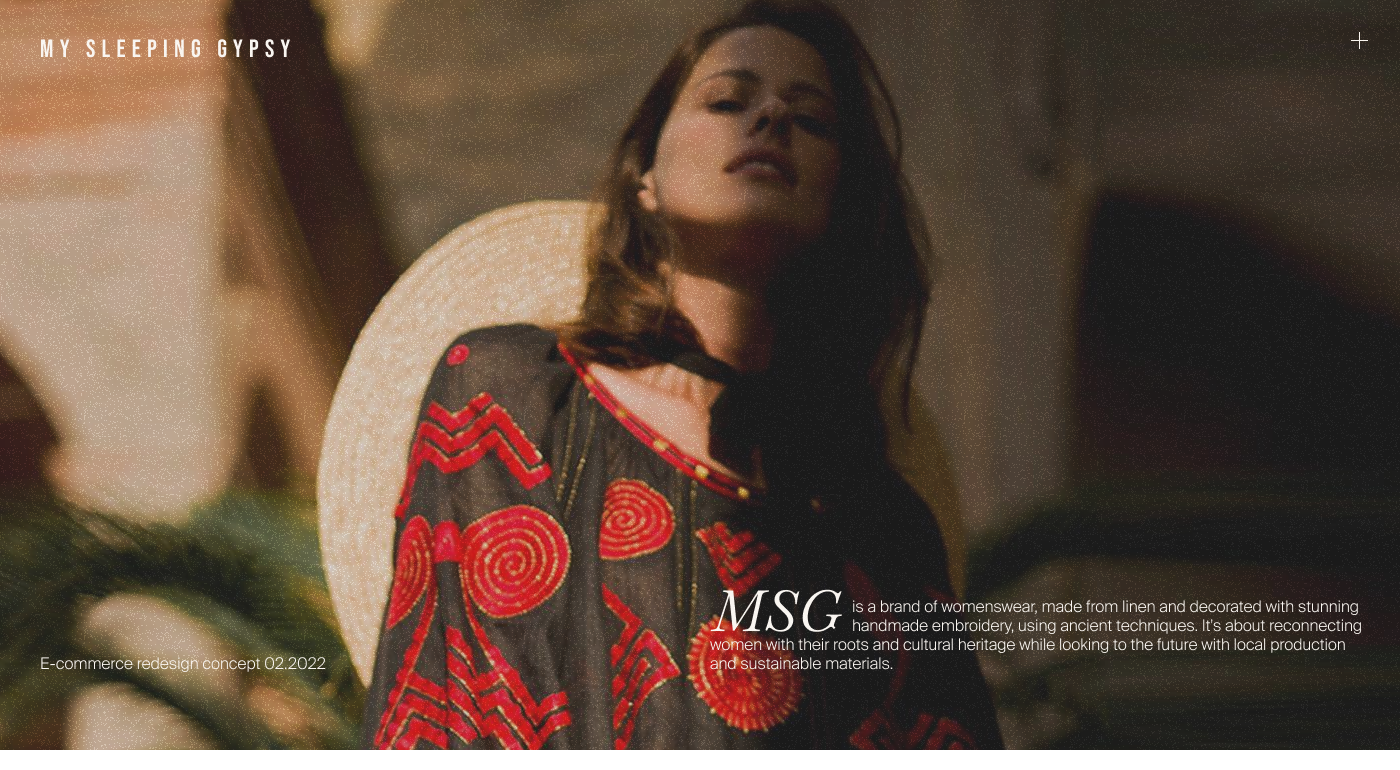
My Sleeping Gypsy
How to sell heritage craftsmanship without looking like fast fashion
Multi-Agent AI Workflow
I built a 10× prototyping workflow using AI agents — and what it taught me about product design

3D Museum Puzzle
Applied to a casual game studio, got rejected, built a working 3D puzzle prototype instead.