Process · AI Workflow · 2024–2025
Multi-Agent AI Workflow
I built an AI-orchestrated prototyping pipeline — and what it taught me about product design.
Solo builder / methodology designer
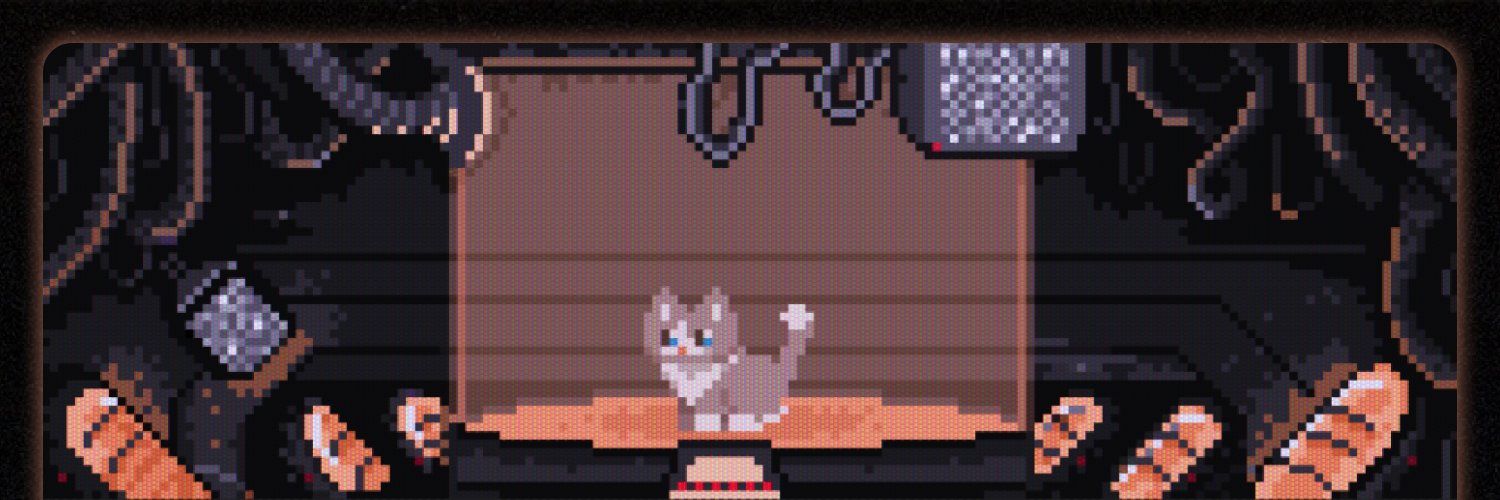
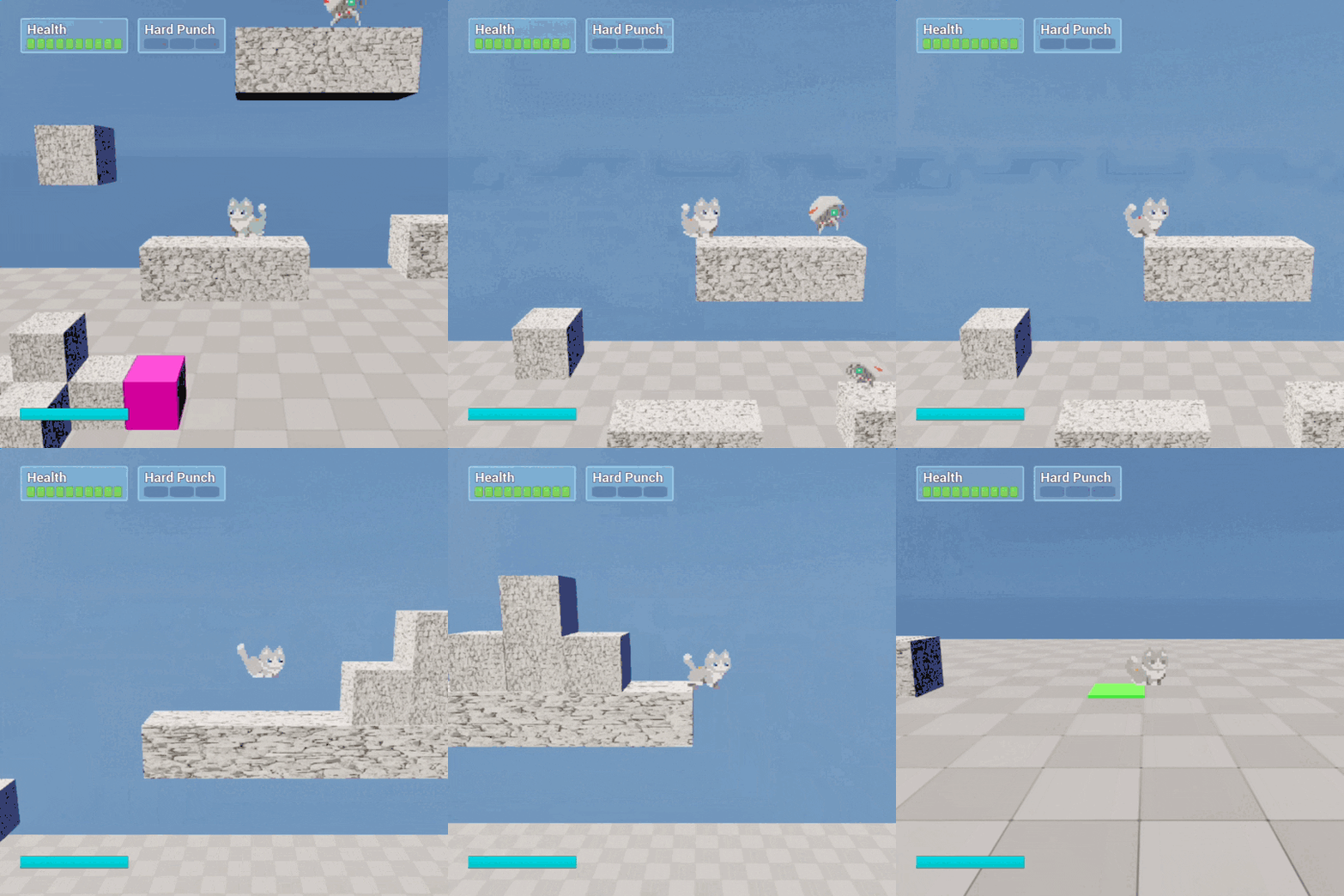
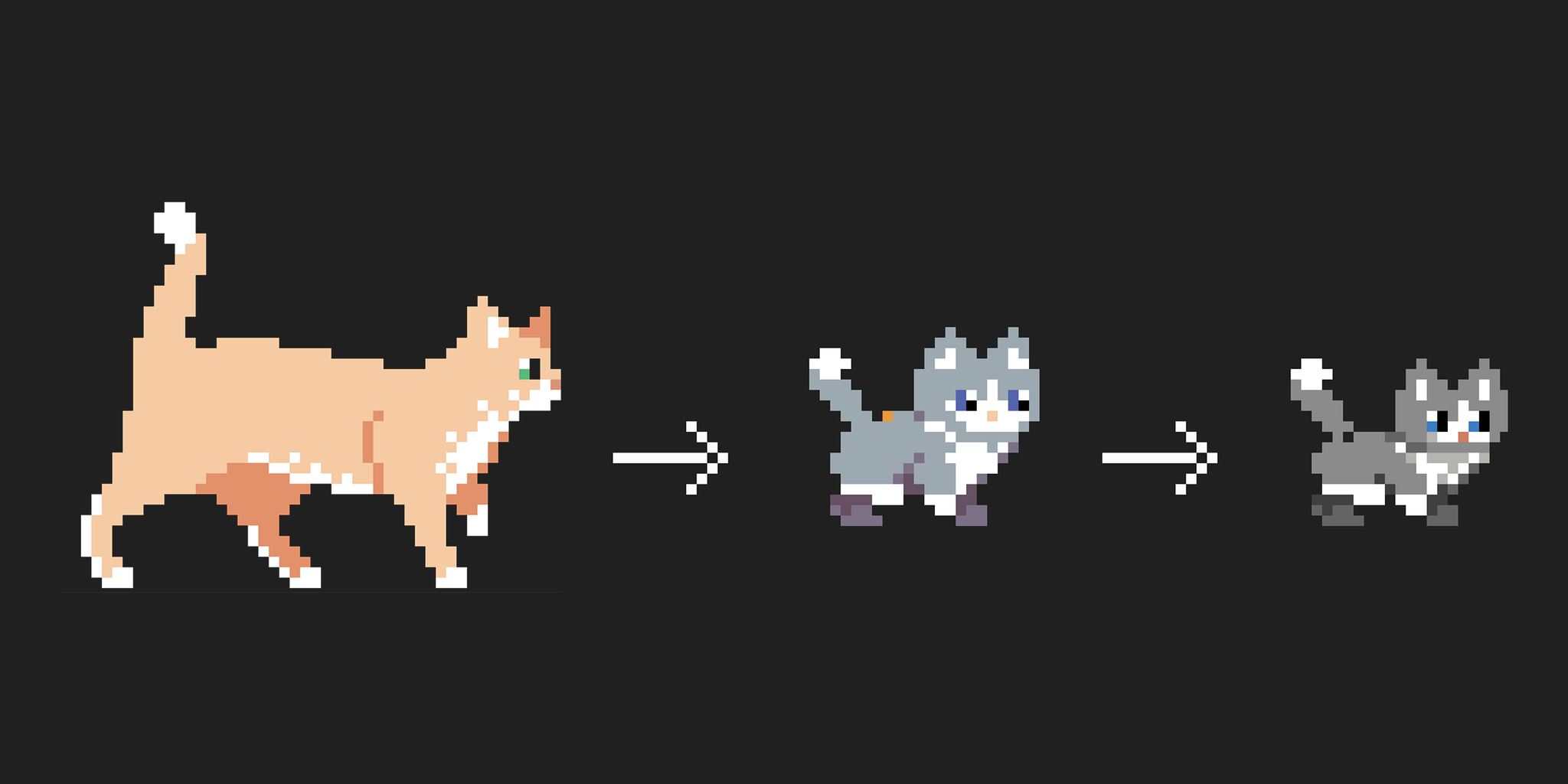
Internal R&Dsandbox: ‘Don’t Tread on Cat’ game prototype
2024–2025
- AI orchestration
- Prototyping methodology
Can AI replace specialised roles?
Product development traditionally needs specialised teams: architects design logic, engineers write code, QA validates. For solo builders, this creates a trade-off — build fast but brittle, or build properly but slowly.
I wanted to test a hypothesis: can AI agents replace these specialised roles if orchestrated correctly?
I picked game development as the sandbox. High complexity, fast feedback loops, empirical validation through runtime testing. The real goal wasn’t shipping a game — it was a workflow I could bring back to product design and prototyping.
A pipeline of two AI tools and a runtime
Note: I use ‘multi-agent’ loosely throughout — a pipeline of distinct AI tools coordinated by a human, not autonomous agent-to-agent communication.
I designed a three-role pipeline: two AI agents and the game engine itself as the validator. Each had a distinct job and clear boundaries — no overlap, no ambiguity about who owns what.
Gemini 3 Pro
Role. System design, state machine logic, debugging strategy.
Output. Architecture docs, logic flow, refactoring plans.
Windsurf IDE
Role. Code generation, C# syntax, Unity API implementation.
Output. Functional scripts, component structure.
Unity 6
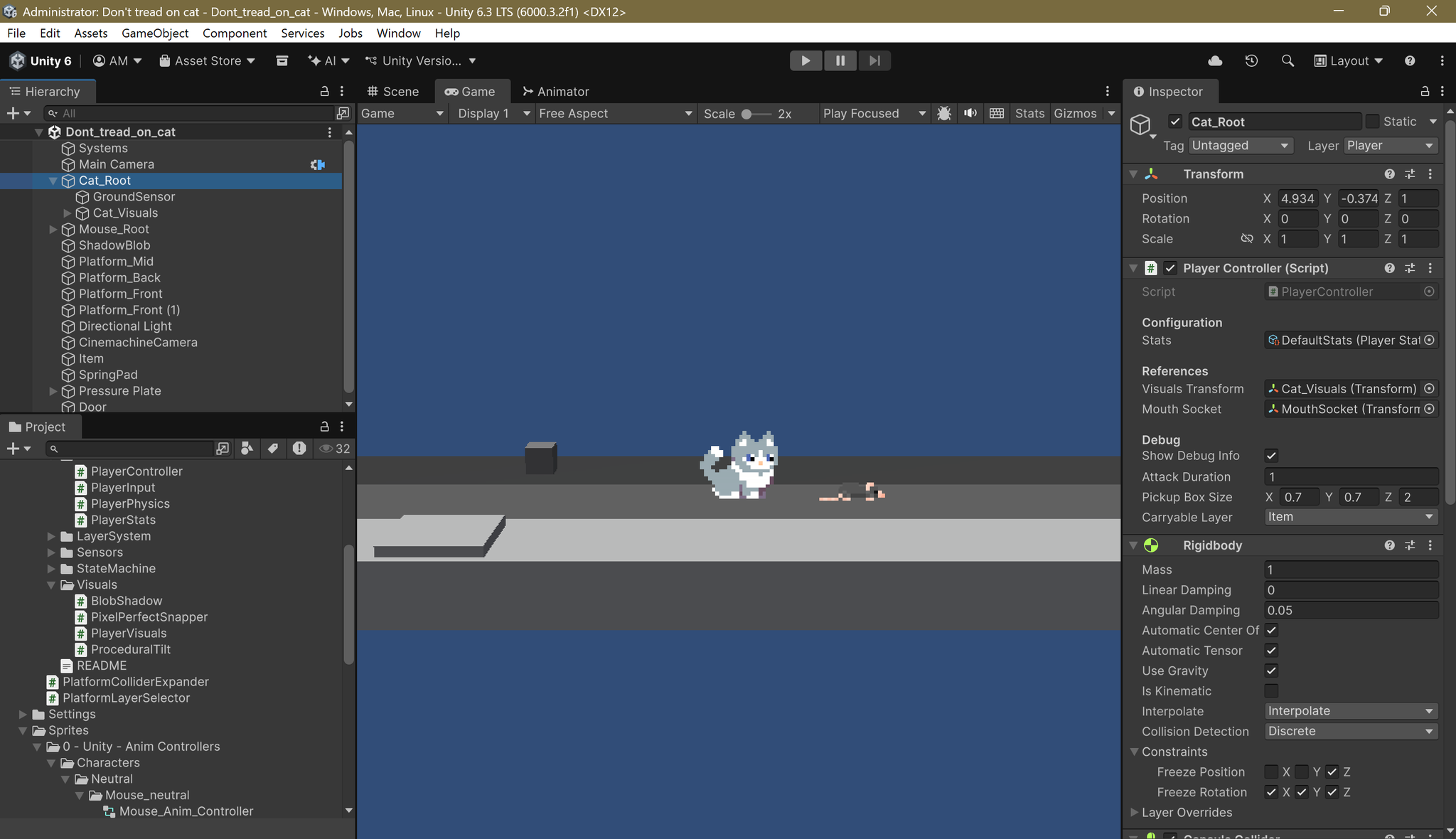
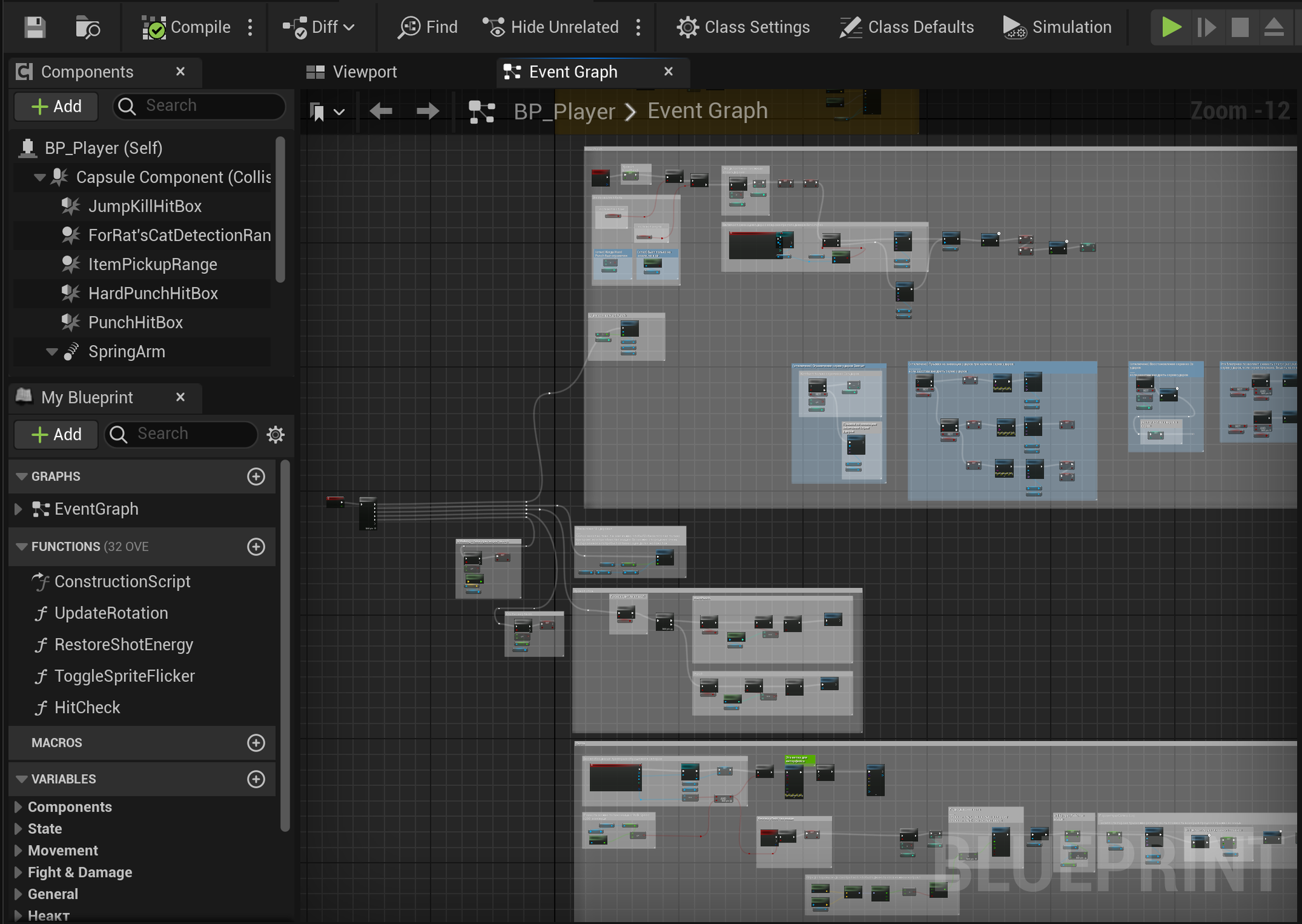
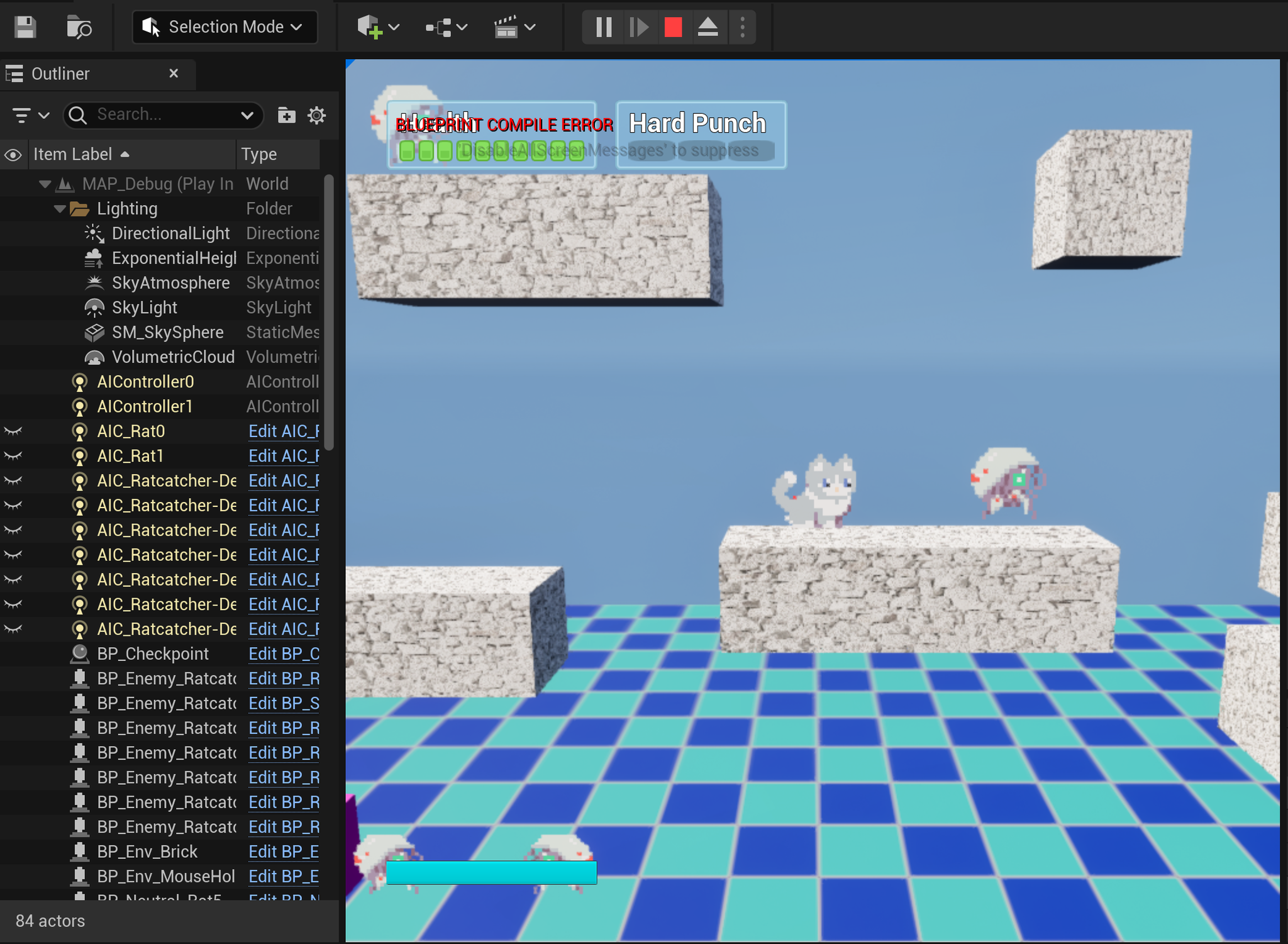
Role. Where everything gets tested — physics, compile errors, real-time behaviour.
Output. Empirical truth — does it actually work?
What the loop actually looked like
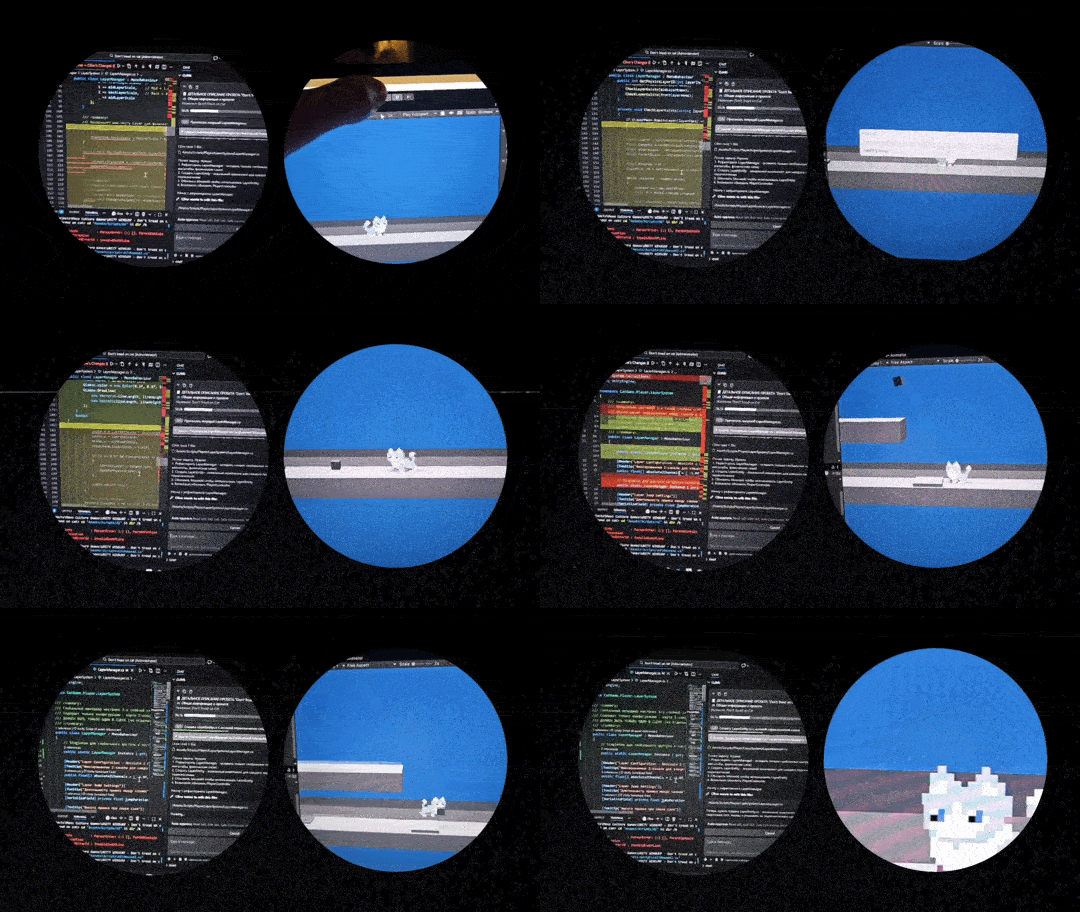
In practice the three stages ran in fast cycles: Gemini described a state-machine change, Windsurf wrote the C#, Unity ran the build, I watched the result. If the build broke or the behaviour felt wrong, the validator output became the next prompt for the architect.


Three calls that made the workflow viable
Every decision was about preserving the empirical loop. The moment a validation step became slower than the agent reply, the whole approach lost its leverage.
What the orchestration actually bought
From days to an evening per mechanic
Mechanics that used to take 3–4 days collapsed to a single evening of work. The architect agent handled state machine design while the executor wrote the scripts, and Unity validated each iteration in seconds. The measurement is informal — my own development time before and after — but consistent across the project.
From hour-long debugging to ten-minute conversations
Where a stubborn bug used to mean a 3-hour session, the loop became a short conversation: Gemini diagnoses, Windsurf patches, Unity confirms. The validator stage replaced most of the guessing.
Solo velocity without role handoffs
Solo project velocity that previously needed coordination across roles. Not because AI replaced anyone — because orchestration removed the handoff cost.
What I learned
This workflow applies directly to product prototyping
Gemini = product strategist (defines system logic). Windsurf = engineer (implements). Browser runtime = user (validates). Same three-stage pipeline. Same separation of roles. Same speed gains when you orchestrate correctly.
The skill isn’t coding — it’s orchestration
Knowing when to let AI run vs when to intervene is the new craft. One concrete example: AI repeatedly suggested over-engineered solutions for the suspicion state machine — abstract base classes, interface hierarchies — when the right move was three plain if-statements. Stepping back at the wrong moment costs hours; stepping in at the right moment saves them.
More case studies
ReMargin
I wanted a reader where annotations matter as much as the text. Built one.
Push Notifications
How to kill the send button nobody wanted to press
Stories Editor
How I eliminated a 2-day content publishing bottleneck
Educational Platform Redesign
Users couldn’t explain what a single menu item meant

My Sleeping Gypsy
How to sell heritage craftsmanship without looking like fast fashion

3D Museum Puzzle
Applied to a casual game studio, got rejected, built a working 3D puzzle prototype instead.